Learning how to keep ducks is one of the most rewarding ways to bring your garden to life, whether you want fresh eggs, natural pest control, or simply a few charming feathered companions. Ducks are hardy, friendly and surprisingly easy to look after, but their needs differ from chickens in a few key ways. This beginner's guide to keeping ducks walks you through everything you need to know: choosing the right breed, setting up safe housing, water and feeding, space and ranging, predator protection and day-to-day care.
Short answer: To keep ducks happily, give them a dry, ground-level house with good ventilation and deep bedding (ducks don't roost), plenty of fresh drinking and bathing water, a quality waterfowl feed, secure predator-proof fencing and the company of at least two or three birds. Get those basics right and the rest is easy.
How to Choose the Best Duck Breed for Beginners

Different duck breeds suit different goals, so before you start keeping ducks for beginners it helps to decide what you want from your flock: eggs, meat, companionship, or a mix of all three. Here are five popular, beginner-friendly breeds to consider.
Khaki Campbell – Exceptional egg layers (up to 300 eggs a year). Hardy, adaptable and perfect for first-time duck keepers.
Pekin – Friendly, fast-growing and easy to handle. A classic choice often kept for meat as well as for their calm, sociable nature.
Indian Runner – High-energy ducks with a distinctive upright posture. Prolific layers (up to 300 eggs a year) that love to forage and range.
Muscovy – Quiet, goose-like ducks that suit urban and suburban gardens. A good option if noise is a concern with neighbours.
Mallard – Hardy and ornamental. Less prolific layers, but a charming, traditional choice for backyard duck keeping.
Setting Up Safe, Predator-Proof Duck Housing

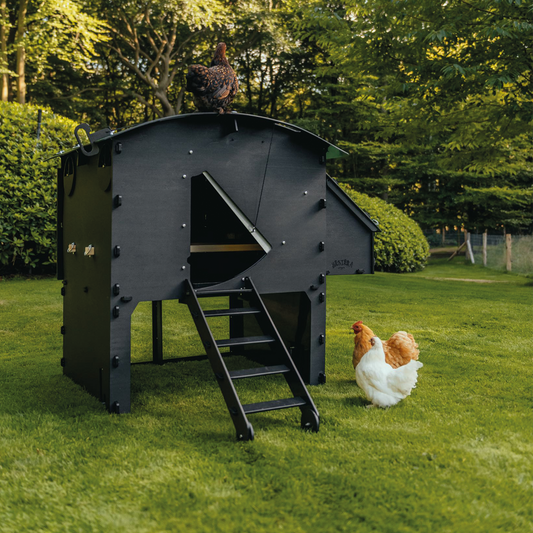
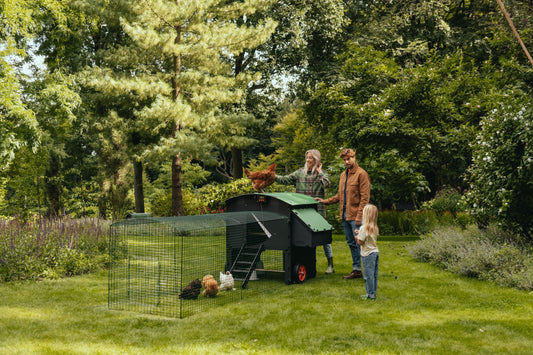
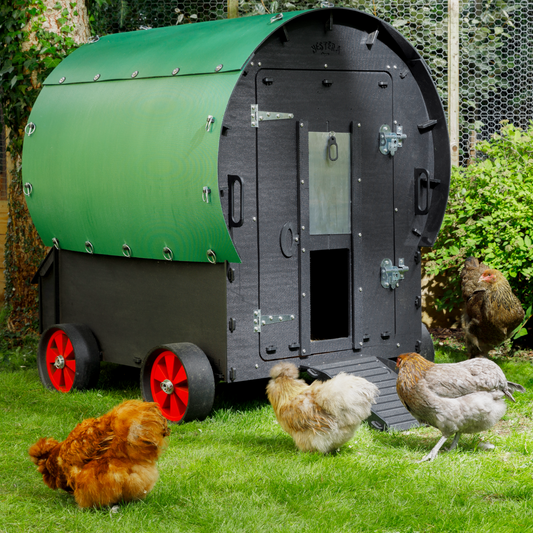
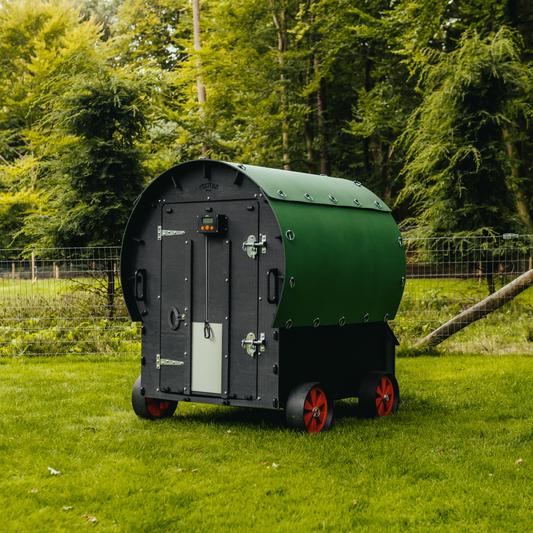
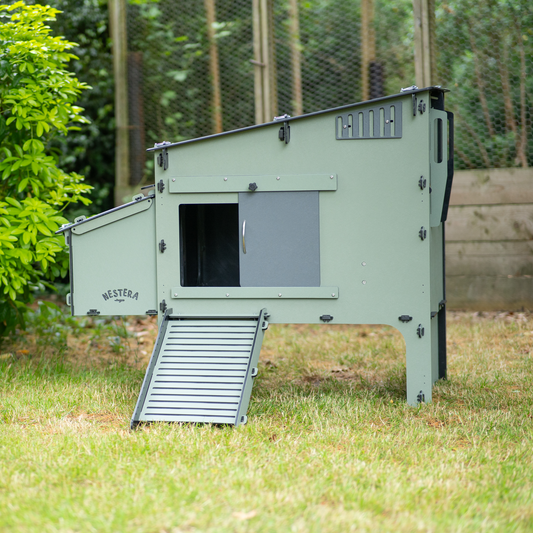
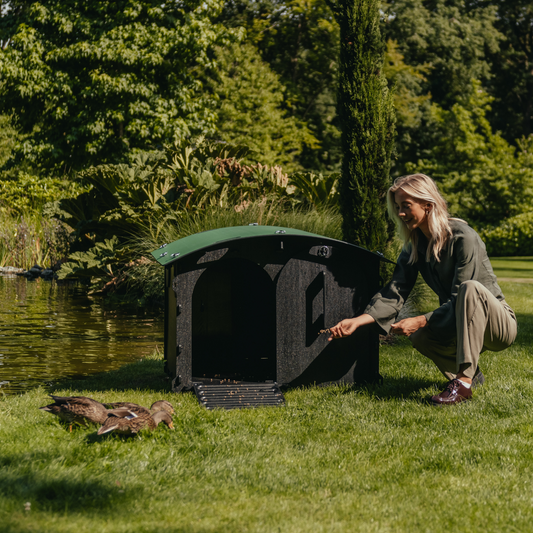
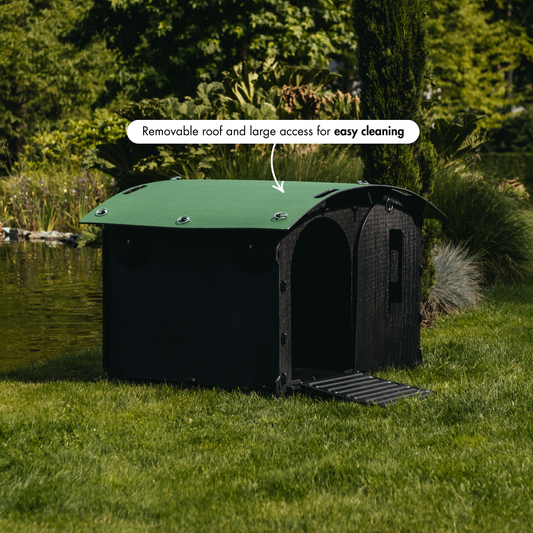
Good housing is the foundation of raising ducks in your backyard. Your birds need a safe, dry, predator-proof home where they can shelter at night and lay their eggs. Unlike chickens, ducks don't roost on perches, so they need a ground-level house with deep, dry bedding and plenty of ventilation to manage the moisture they create. The Nestera Duck House is purpose-built for this: made from durable recycled plastic, it's easy to clean, predator-safe and comfortably suits a small starter flock of two to four ducks.
Duck House Essentials
- A ground-level house (no perches needed) with at least 4 square feet of indoor space per duck.
- A sturdy, weatherproof structure with good ventilation to keep the air dry and fresh.
- Predator-proof doors and secure fencing to keep foxes and other predators out.
- Smooth, easy-clean surfaces — recycled plastic has no cracks or crevices for pests to hide in, unlike timber.
Bedding and Nesting
- Use straw or wood shavings as bedding, and change it often to keep the house dry — damp bedding is the main cause of health problems in ducks.
- Provide a low nesting area with soft bedding for egg-laying ducks; they prefer to nest at floor level rather than in raised boxes.
Water Requirements: Drinking and Bathing

Ducks are waterfowl, so access to clean water is non-negotiable — they need it both for drinking and for keeping themselves clean and healthy.
- Drinking water: Provide deep enough containers that ducks can fully submerge their heads. This keeps their eyes, nostrils and bills clear and helps prevent infections.
- Bathing water: A shallow pool or small pond lets ducks preen, bathe and waterproof their feathers. It isn't essential for survival, but it makes for far happier, healthier birds.
- Managing mess and damp: Ducks splash, so place water away from the house entrance and on a free-draining surface. Change it daily to stop bacteria building up and to keep the surrounding ground from turning to mud.
What Do Ducks Eat? A Simple Feeding Guide

Ducks are omnivores and thrive on a balanced diet built around a proper feed.
Core Diet
- A good-quality waterfowl feed should form the bulk of their diet — starter feed for ducklings, grower feed for juveniles and layer feed for laying ducks.
- Look for a feed formulated for ducks rather than generic chicken feed. Ducks (especially growing ducklings) need more niacin (vitamin B3) than chickens to support healthy leg and bone development. Waterfowl feeds are formulated with this in mind. If you're unsure whether your flock's diet is meeting their needs, ask your vet or a qualified poultry specialist for guidance.
Healthy Treats (in Moderation)
- Leafy greens – lettuce, spinach and kale.
- Vegetables – peas, sweetcorn and cucumber.
- Grains and seeds – oats, barley, wheat and sunflower seeds, great for enrichment.
Avoid feeding ducks bread, processed foods or anything mouldy — these offer little nutrition and can cause harm.
Space, Ranging and Predator Protection

Ducks are highly social and happiest in pairs or small flocks, so plan to keep at least two or three together — a lone duck will be stressed and lonely.
- Give them room to range and forage in a secure area during the day. Ducks love foraging for slugs, snails and insects, which is exactly why they're such effective natural pest controllers.
- Keep more females than drakes (males) to avoid over-mating stress during the spring breeding season.
- Predator protection is essential. Foxes are the biggest threat, especially at dawn and dusk. Secure fencing, a predator-proof house and shutting ducks in safely at night all make a real difference.
Eggs and Daily Care
Once you've settled the basics of how to look after ducks, the daily routine is straightforward — and very rewarding when those first eggs arrive.
- Eggs: Good laying breeds such as Khaki Campbells and Indian Runners can produce up to 300 eggs a year. Collect eggs daily and keep nesting areas clean and dry for the best-quality eggs.
- Daily checks: Top up food and water, refresh bathing water and quickly check each bird looks bright and active.
- Cleanliness: Ducks are messy and produce a lot of moisture, so clean the house regularly and keep bedding dry to prevent health problems.
- Health: Watch for signs such as lethargy, reduced appetite, unusual droppings or a "wet feather" appearance. If you have any health concerns, consult your vet or a qualified poultry specialist rather than treating at home.
Frequently Asked Questions About Keeping Ducks
How many ducks should a beginner start with?
Start with at least two or three ducks, as they're social birds that need company. A small starter flock of two to four ducks suits most gardens and fits comfortably in a house like the Nestera Duck House.
Do ducks need a pond to be happy?
No — ducks don't need a full pond to survive, but they do need bathing water. A shallow pool or small pond lets them preen and keep their feathers in good condition, which keeps them happier and healthier.
Can you keep ducks and chickens together?
It's generally best to house them separately. Ducks need water and create damp conditions that don't suit chickens, among other differences. We explain why in detail in our guide to why you shouldn't keep chickens and ducks together.
What's the easiest duck breed for beginners?
Khaki Campbells and Pekins are among the easiest and most forgiving breeds for first-time keepers. For a full rundown, see our guide to the best duck breeds for beginners.
Final Thoughts: Why Keeping Ducks Is Worth It
Raising ducks is genuinely rewarding and good for your garden too — they reduce pests, help fertilise the soil and provide fresh eggs. Get the right breed, safe housing, plenty of clean water, a quality waterfowl feed and good predator protection, and your ducks will thrive for years to come. Ready to give your flock the perfect home? Explore the predator-safe, easy-clean Nestera Duck House and start your duck-keeping journey the right way.