Si estás sopesando un gallinero de plástico frente a uno tradicional de madera, la respuesta sincera es que el material que elijas influye en casi todo – la frecuencia de limpieza, lo difícil que es controlar el ácaro rojo, cuánto dura el gallinero y cuánto gastarás durante toda su vida útil. Durante años, la madera fue la única opción real. Hoy hay varios gallineros de plástico en el mercado – pero no todos los plásticos son iguales.
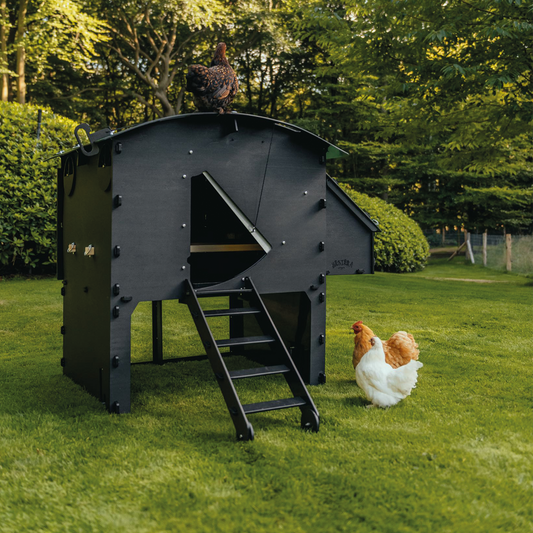
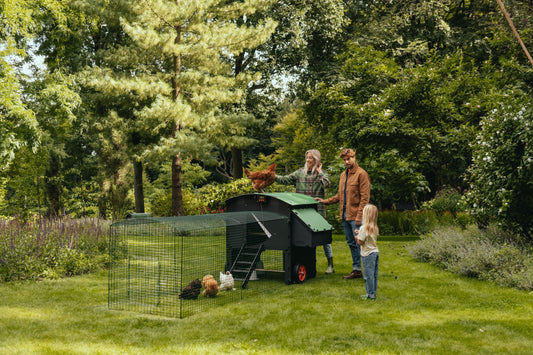
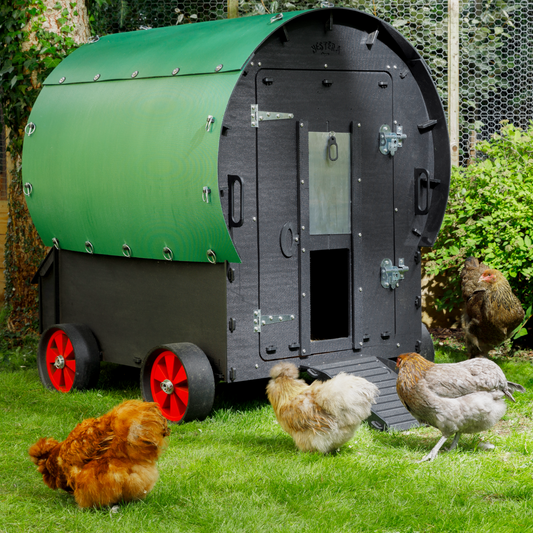
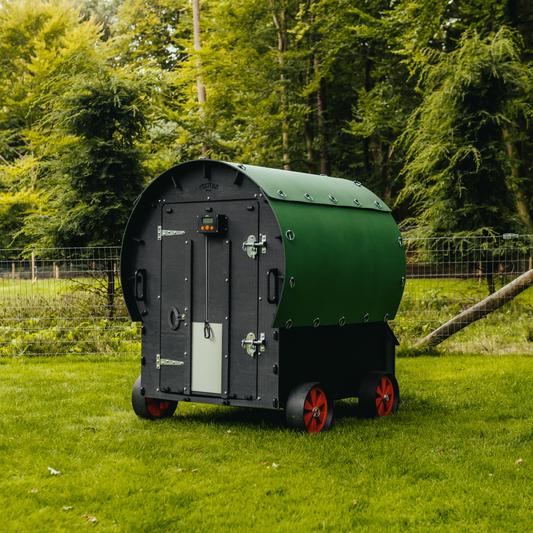
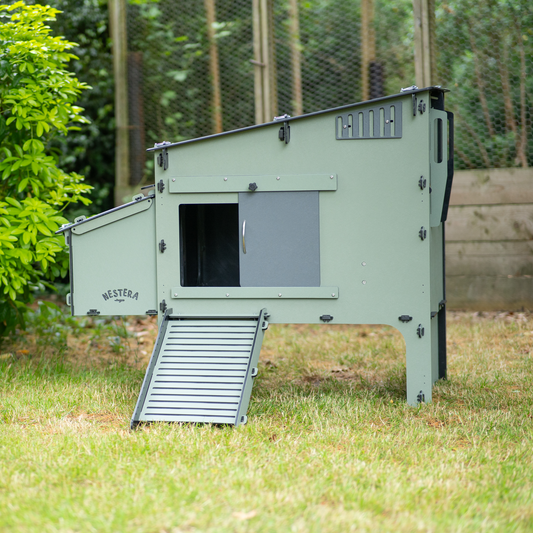
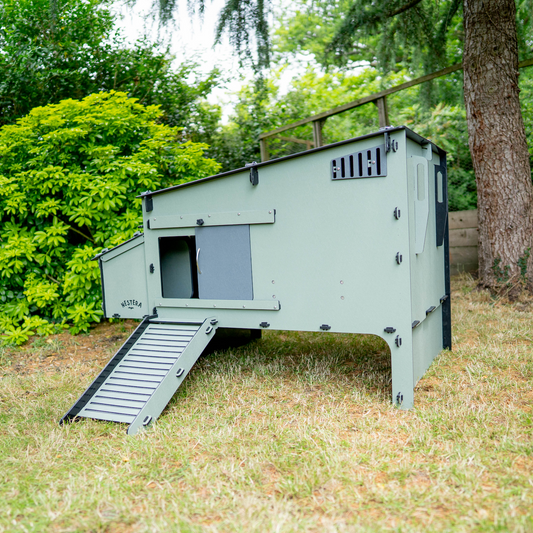
Respuesta corta: un buen gallinero de plástico merece la pena porque sus superficies lisas y no porosas no dejan al ácaro rojo dónde esconderse, se limpia con manguera en minutos y no se pudre, no se deforma ni absorbe agua como la madera – así se mantiene higiénico y de bajo mantenimiento durante años. Los gallineros Nestera van más allá: están fabricados con 70 % de plástico reciclado y tienen garantía de hasta 25 años según el modelo.

Gallinero de plástico o de madera: ¿cuál es la diferencia real?
El precio inicial de un gallinero de madera y uno de plástico puede ser parecido, así que la diferencia aparece después – en el mantenimiento, la higiene y la duración. Los gallineros de plástico baratos de importación suelen venir con una decepcionante garantía de dos años, por lo que conviene fijarse en qué plástico es realmente y cómo está construido. Los gallineros Nestera se desarrollan en nuestro taller del Reino Unido a partir de residuos plásticos reciclados, pensando tanto en las gallinas como en su dueño, por lo que podemos ofrecer una garantía mucho más larga. Si te tienta una opción de madera económica, lee primero 10 razones por las que los gallineros de madera baratos son una mala idea.
Resistente al ácaro rojo: la mayor razón para elegir plástico
Este es el punto que más importa. Los ácaros rojos son diminutos ectoparásitos nocturnos que se esconden en el gallinero de día y trepan de noche sobre las gallinas en el aseladero para alimentarse de su sangre. Una infestación grave reduce la puesta de huevos, deja a las aves pálidas y aletargadas, puede impedir que las gallinas entren por la noche y, en casos graves, llegar a matarlas.
La madera es su hogar perfecto: grietas, juntas, veta rugosa y el hueco bajo la tela asfáltica del tejado ofrecen a los ácaros un lugar donde refugiarse y reproducirse, a menudo del todo inaccesible. Un gallinero de plástico con superficies lisas y no porosas les deja muchos menos escondites. Y si aparecen ácaros en un gallinero Nestera, basta con limpiarlo con manguera a presión para arrastrarlos – sin desmontajes, sin tela que despegar. Mantener una casa de madera libre de ácaros, en cambio, implica tratamientos costosos como tierra de diatomeas y desinfectante avícola aplicados cada mes durante todo el año. Para vigilar a tu grupo de aves, consulta cómo revisar a tu gallina en busca de piojos y ácaros rojos.
Fácil de limpiar – y rápido de secar
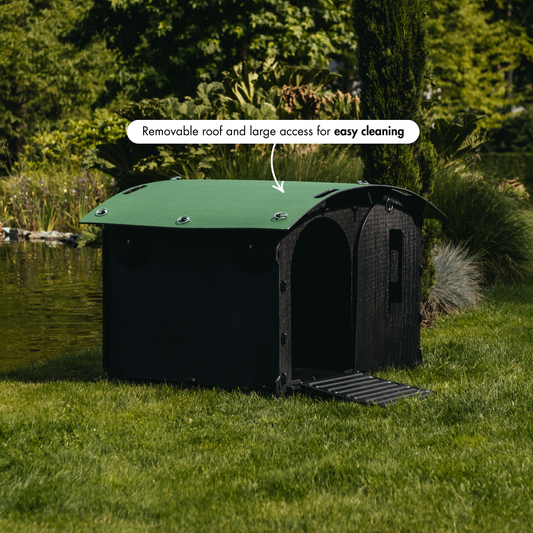
Los gallineros Nestera son sumamente fáciles de limpiar. Un repaso rápido con manguera basta, y el barro o los excrementos rebeldes salen con un cepillo rígido. Como el plástico reciclado es liso y no absorbente, el gallinero se seca en minutos en lugar de las horas que tarda uno de madera empapado – una diferencia real en invierno. Esa superficie lisa y lavable también facilita la bioseguridad: si crías distintos lotes de aves, un gallinero de plástico se puede lavar, desinfectar y dejar listo para el siguiente lote, mientras que con uno de madera es muy difícil asegurarse de que ha quedado del todo limpio. Una vez impecable, la cama adecuada para tu gallinero lo mantiene así más tiempo.

No se pudre, no se deforma ni absorbe agua
El plástico reciclado no absorbe la lluvia, así que no hay podredumbre, ni deformaciones, ni hinchazón que atasque puertas y ponederos. No hace falta tratar el gallinero con un protector de madera apto para aves ni sustituir maderas podridas cada pocas temporadas. Nuestros gallineros resisten el clima extremo y los rayos UV sin degradarse – precisamente por eso tenemos la confianza de garantizarlos hasta 25 años según el modelo.
Ventilación y temperatura, bien resueltas
Una buena circulación del aire es clave para aves sanas, por eso cada gallinero Nestera incluye ventilación permanente y regulable para controlar la condensación. El plástico reciclado es además un excelente aislante: en invierno el interior se mantiene cerca de la temperatura exterior, lo que les conviene a las gallinas, ya que sus plumas hacen el trabajo de mantenerlas calientes. En verano, el tejado sólido y resistente a los UV refleja el calor y mantiene frescas a las aves.
Un mito que conviene abordar de frente es que el plástico – sobre todo el plástico negro – cocería a las gallinas con calor. En la práctica, un gallinero de plástico ventilado y que refleja la luz, con sombra sobre el parque, se mantiene cómodo. Lo pusimos a prueba en el mito desmontado: ¿se calientan demasiado los gallineros de plástico negro en verano? Como con cualquier gallinero, la clave es dar sombra a las aves que se mantienen en un parque.

Menor coste a lo largo de la vida útil y garantía de 25 años
Aquí es donde el plástico saca verdadera ventaja. El coste de un gallinero de madera a lo largo de su vida – tratamiento repetido de la madera, reparaciones e interminables tratamientos contra ácaros – supera con creces el de uno de plástico reciclado. Los gallineros Nestera están construidos de forma tan sólida, con materiales resistentes al ácaro rojo, que los garantizamos hasta 25 años en toda la gama, mientras que muchos otros gallineros de plástico solo ofrecen dos. Cuando sumas tiempo de limpieza, tratamientos y reemplazos a lo largo de una década, la opción sin mantenimiento es la obvia.
Sostenible por diseño
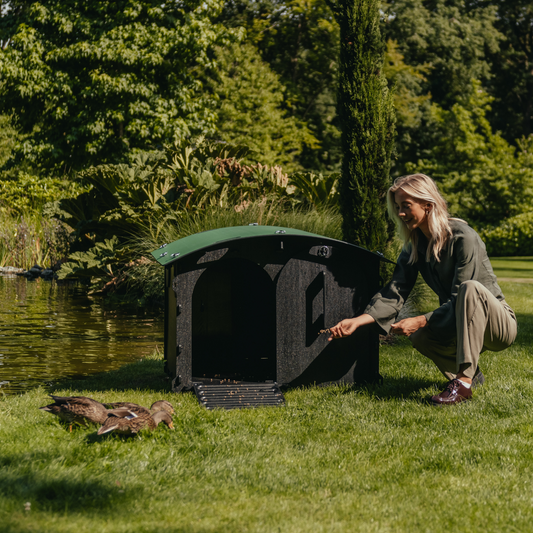
Elegir plástico no tiene por qué significar elegir residuos. Los gallineros Nestera están fabricados con un 70 % de plástico reciclado que de otro modo habría acabado en el vertedero, y son reciclables al final de su larga vida. Como duran décadas en lugar de unas pocas temporadas, no estás sustituyendo una y otra vez un gallinero de madera podrido – mejor para tu bolsillo y para el planeta.
Preguntas frecuentes sobre gallineros de plástico
¿Son mejores los gallineros de plástico que los de madera?
Para la mayoría de los criadores, sí. Los gallineros de plástico resisten el ácaro rojo mucho mejor, se limpian y secan en una fracción del tiempo, no se pudren ni se deforman y duran mucho más sin tratamiento anual de la madera. La madera puede resultar tradicional, pero conlleva un mayor coste a lo largo de su vida en mantenimiento y control de ácaros.
¿Se calientan demasiado los gallineros de plástico en verano?
Un gallinero de plástico bien ventilado, con tejado resistente a los UV y sombra sobre el parque, se mantiene cómodo para las gallinas. Lo comprobamos directamente en nuestro artículo sobre si los gallineros de plástico negro se calientan demasiado en verano – en resumen: no, cuando el gallinero está diseñado para que circule el aire.
¿Son buenos los gallineros de plástico reciclado frente al ácaro rojo?
El plástico liso y no poroso ofrece a los ácaros muy pocas grietas donde esconderse y reproducirse, y el gallinero puede limpiarse con agua a presión si aparecen. Eso hace que la prevención sea mucho más fácil que con madera. Para productos de tratamiento o aves enfermas, consulta siempre a tu veterinario o a un especialista avícola cualificado.
¿Cuánto dura un gallinero de plástico?
Un gallinero de calidad de plástico reciclado debería durar décadas. Los gallineros Nestera tienen garantía de hasta 25 años según el modelo, frente a la garantía de dos años habitual en los gallineros de plástico baratos de importación.
¿Listo para pasarte a un gallinero de plástico?
Una vez comparas ambos lado a lado, la elección suele hacerse sola. Descubre nuestra gama de gallineros de plástico reciclado resistentes al ácaro rojo – o echa un vistazo más de cerca al Aspen chicken coop, nuestro buque insignia fácil de limpiar – y dale a tu grupo de aves un hogar higiénico y de bajo mantenimiento, construido para durar.