Why do chickens take dust baths? Because rolling in fine, dry dust is one of the most important things a hen does to stay healthy. It is a natural, instinctive behaviour that controls parasites, keeps feathers in top condition and helps your flock feel calm and content. If you have ever watched a hen flick soil over her back and wondered what on earth she is doing, this guide explains exactly why dust bathing matters and how to make a chicken dust bath your hens will love.
Short answer: Chickens take dust baths to smother and dislodge mites and lice, remove excess oil from their feathers, and relax. Give them a dry, loose patch of soil, sand and wood ash and they will do the rest themselves.
Why Do Chickens Take Dust Baths?
Chickens, like many birds, instinctively dust bathe. It is not just a quirk – this behaviour serves several crucial purposes for their health and hygiene.
- Natural parasite control: One of the main reasons hens dust bathe is to ward off parasites. When a chicken dust bathes, she vigorously kicks and flaps, working a cloud of fine dust right down to the skin. This dust coats the feathers and helps to suffocate and dislodge external parasites such as red mites and lice, so dust bathing is one of the simplest natural ways to keep infestations in check. It is not a substitute for proper coop hygiene, but it is a helpful part of the picture. If you suspect a problem, it is worth learning how to check your hen for lice and red mites and reviewing our tips to avoid red mites in your chicken coop.
- Feather health and maintenance: As chickens roll and wriggle in the dust, the fine particles absorb excess oil and moisture from their feathers. This natural cleaning process keeps the plumage clean, prevents matting and helps feathers trap air for better insulation in cold weather.
- Behaviour and stress relief: Dust bathing is also a form of enrichment. Hens often bathe together in a relaxed, sociable group, and being able to perform this natural behaviour helps them unwind. A flock that can dust bathe freely is a calmer, happier flock.

Do Chickens Need a Dust Bath?
Yes – access to a dry dust bathing spot is a genuine welfare need, not a luxury. Hens that cannot dust bathe are more prone to parasites and can become frustrated. The good news is that chickens are very good at sorting this out for themselves, as long as you give them the right conditions: a dry, loose, shaded patch of ground they can scratch into.
How to Make a Chicken Dust Bath
Now we know why dust baths matter, let’s look at how to make a good chicken dust bath.
Natural dust bathing sites
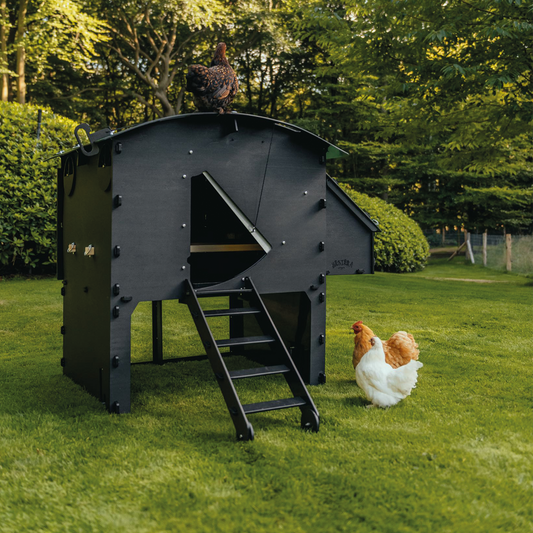
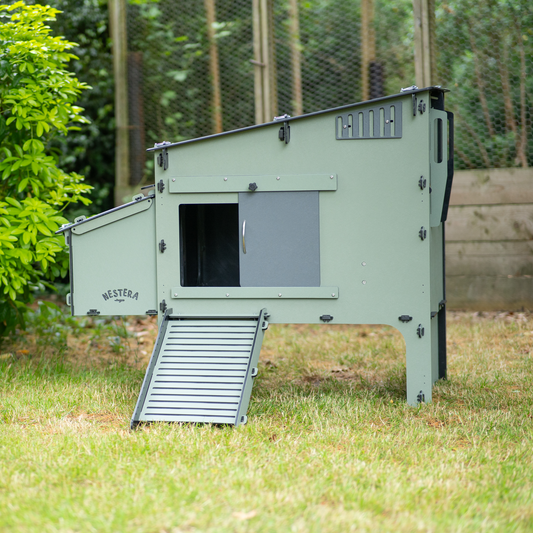
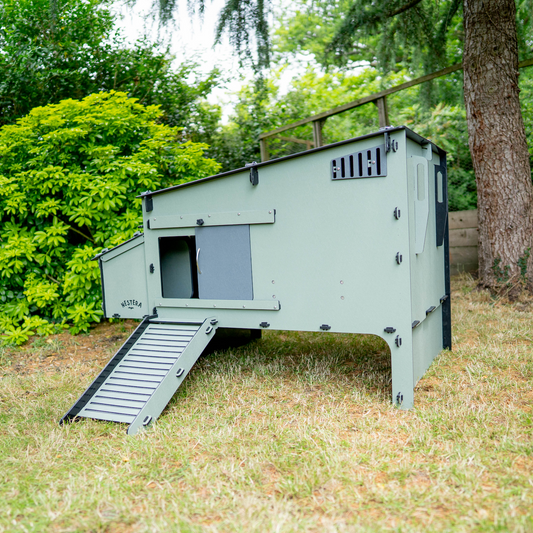
Chickens instinctively choose a spot beneath their coop or in a shaded part of the run to set up a dust bath. Our raised House and Lodge recycled-plastic coops sit high enough off the ground to give your hens a sheltered, dry area to bathe underneath, even in wet weather. You may notice them scratching and loosening the soil there. If they have already chosen a spot, simply keep it dry and top it up with fresh dusting material as needed.
Make your own dust bath
If your chickens haven’t chosen a site, or you would like to create one yourself, it is a straightforward job. Start with a shallow container, an old tyre, or a designated corner of your coop or run, then fill it with a simple mix.
Materials you’ll need
- Dry soil: The base of your dust bath should be dry soil, ideally sandy or loamy. Avoid heavy clay or wet soil that turns muddy.
- Sand: A little play sand or coarse sand keeps the mix loose and free-draining, which is exactly what hens prefer.
- Wood ash: Cooled wood ash from a clean fireplace or fire pit (untreated wood only) can be added to the mix. It absorbs excess moisture and helps coat the feathers. Make sure it is fully cold first.
Some keepers also add a little food-grade diatomaceous earth. If you do, add only a small amount and mix it in well – the aim is a loose, low-dust blend, as breathing in clouds of very fine powder isn’t good for you or your hens. For treating an active parasite problem, always follow the guidance of your vet or a qualified poultry specialist.
Putting it together
- Mix the dry soil, sand and a little cooled wood ash together in your container or chosen spot.
- Keep the mixture dry and loose – this is what chickens prefer for dust bathing.
- Place the dust bath in a shaded area so it doesn’t get too hot in the sun, and somewhere sheltered from rain so it stays dry.

Where to Put a Chicken Dust Bath
The best place for a dust bath is dry, shaded and easy for the hens to reach. Under a raised coop is ideal because it stays sheltered from rain. A quiet corner of the run, a spot beneath a shrub, or a covered container all work well too. The key is keeping it dry: a soggy dust bath is no use to anyone.
Maintaining the Dust Bath
A little regular maintenance keeps your chickens’ dust bath effective and hygienic. Refresh the mixture as needed to keep it dry and free of droppings, and rake it loose now and then. If your hens use a natural dust bath area, keep an eye on it and add more material when it runs low.
Frequently Asked Questions
How often do chickens dust bathe?
Most hens like to dust bathe every few days, and more often in warm, dry weather. As long as they have a dry spot available, they will bathe whenever they feel the need.
Does a dust bath get rid of mites and lice?
Dust bathing helps reduce mites and lice naturally by smothering and dislodging them, and it is a great everyday preventative. It will not clear a heavy infestation on its own, though. If you spot a problem, check your hens, keep the coop clean, and ask your vet or a qualified poultry specialist about treatment.
What can I use for a chicken dust bath?
A simple mix of dry soil, sand and a little cooled wood ash works perfectly. Keep it loose and dry, and place it somewhere shaded and sheltered.
Do chickens need a dust bath in winter?
Yes. Hens still need to dust bathe in winter, but wet ground makes it harder. A dry, sheltered spot – such as the area under a raised coop or a covered container – lets them carry on bathing all year round.
Help Your Hens Keep Themselves Healthy
Dust bathing is one of the easiest welfare wins in chicken keeping: give your flock a dry, shaded patch of soil, sand and wood ash, and they will do the rest. A raised, easy-clean coop makes it even simpler, by keeping the bathing area dry and leaving no cracks for red mites to hide in. Explore our recycled-plastic chicken coops to give your hens a healthy, low-maintenance home they will love.